
Photograph by Evrard Niyomwungere.
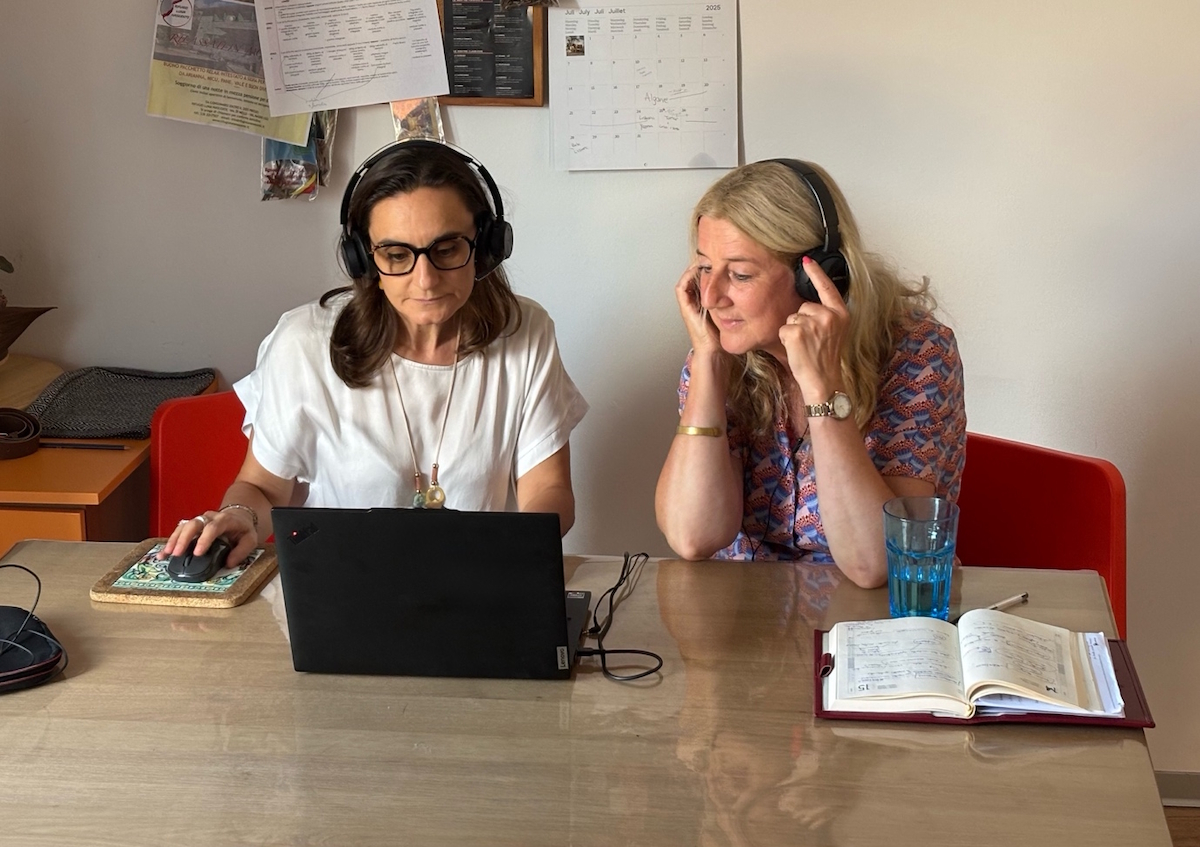
Kaat Matthys is an anthropologist and public health specialist with a strong medical and pedagogical background. With more than 15 years of international experience across Africa and the Middle East, she has worked extensively in the fields of education, public health, and gender within international cooperation and humanitarian contexts. She combines strategic expertise with a strong commitment to community-centered approaches.
Kaat is a former Head of Cooperation (in Mozambique) with extensive experience in donor coordination and international development partnerships. She has led donor sector groups in both education and health, and has worked closely with major global financing initiatives, including Global Partnership for Education, Global Financing Facility and Gavi, the Vaccine Alliance.
Kaat was a core team member involved in Mozambique’s COVID-19 response and has also co-led government-led coordination platforms in Belgium, Burundi, and Mozambique, focusing on areas such as gender and diversity, public finance management, and human resources for health.
Throughout her career, Kaat has developed advanced research, monitoring, and evaluation competencies, including indicator development, project monitoring and evaluation (M&E), and qualitative community-based field methodologies, with a focus on the most vulnerable populations.
Her professional expertise spans the health and education sectors, with additional specialization in diversity and gender, climate change, and resilience of health systems.
Kaat is fluent in Dutch, French, English, and Portuguese, and also has a working knowledge of Spanish. Drawing on her anthropological background, she brings excellent intercultural communication skills and the ability to work effectively across diverse cultural and institutional environments.
Dr. Silvia Bignamini is a medical doctor and Monitoring, Evaluation and Learning (MEL) specialist with extensive field-based experience in health systems strengthening, currently doing a masters in occupational health.
She has more than eight years of experience working at national level in Mozambique, specializing in the analysis and use of health data to support evidence-based decision-making, policy development, and program implementation.
As a former staff member of the World Health Organization, she co-chaired the national Planning, Investments, Monitoring and Evaluation (PIMA) working group and contributed to high-level coordination processes across the health sector. She also facilitated national Theory of Change exercises in Mozambique, Mauritius, and The Gambia.
Silvia’s expertise spans both quantitative and qualitative methodologies, including the management of maternal and child health indicators, coordination of a Service Availability and Readiness Assessment (SARA +) survey with a focus on gender equity, and research on human resource strategies in rural health systems. She has also contributed to program evaluations in maternal, neonatal, child, and adolescent health.
Her work combines methodological rigor with a deep understanding of local contexts, enabling partners to translate data into actionable insights and strengthen the effectiveness of health programmes. Silvia is fluent in Portuguese, English, and Italian.